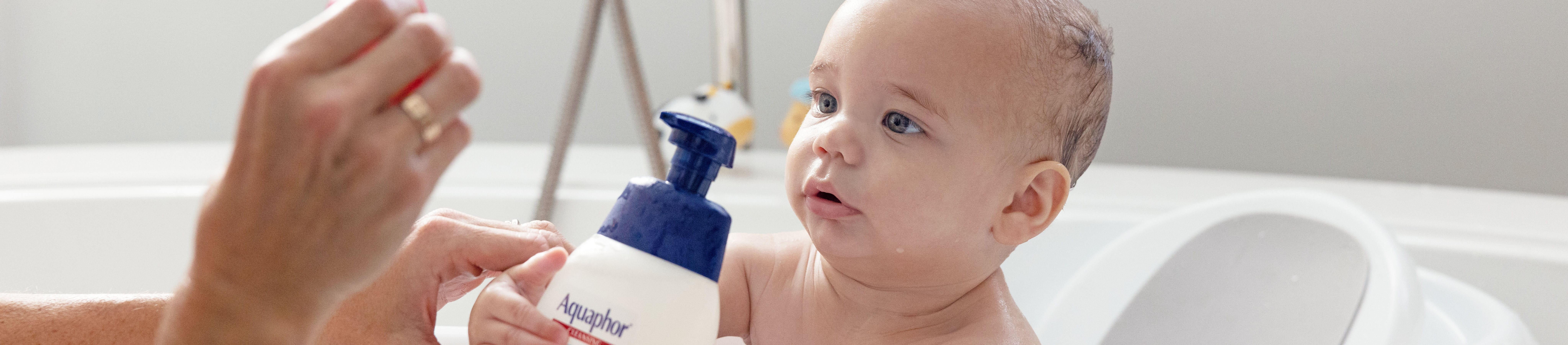
Baby taking bath

How to Bathe a Baby – Comprehensive Baby Bathing Guide

7 min. read
Show more
Bathtime can be a source of joy for both babies and their caregivers, but with a baby’s sensitive skin, bathtime can also be a source of worry. Are you bathing them too often? Not enough? How warm should the water be, and what type of soap or cleansing products are most appropriate for your baby’s sensitive skin?  

In our guide to baby bathing, you’ll learn everything you need to know about how to give a baby a bath – from how to prepare, to step-by-step bathing instructions, to how to keep their skin cared for after bathtime is over. Read on to learn our top tips for baby bathing. 
How often should you bathe a baby?

As an adult, you likely shower every day or several times a week, but your baby’s delicate skin is still developing its protective barrier during the first year. This means their skin can’t protect itself and hold onto moisture as easily as ours can, so proper care must be taken when bathing to not dry out their skin.

So how often should you bathe a baby? Generally, up to 3 times a week should be sufficient , with gentle wipe-ups in between with a wet washcloth in areas where your baby has folded skin such as the armpits, groin, or chin/neck.

When to start bathing baby daily

It is not generally advisable to bathe a child under 1 year old every day as this can dry out the skin. Sponge baths in between full baths can help with isolated areas that need a gentle wipe, but daily bathing is not recommended even until adolescence, unless a child has gotten dirty or smelly, is wearing bug spray, has been in a pool or other body of water.

How to bathe a baby, step-by-step

This guide refers to bathing babies over 3 months old. Be sure to consult with your OBGYN or pediatrician regarding newborn bathing protocols.

For babies past the newborn stage, here are some general baby bathing guidelines you can follow to start building good habits: 

Baby bathing supplies you’ll need


  • A basin – This could be a small plastic tub to place in a sink, or the sink itself. 
  • Gentle washcloth and soft, hooded towel 
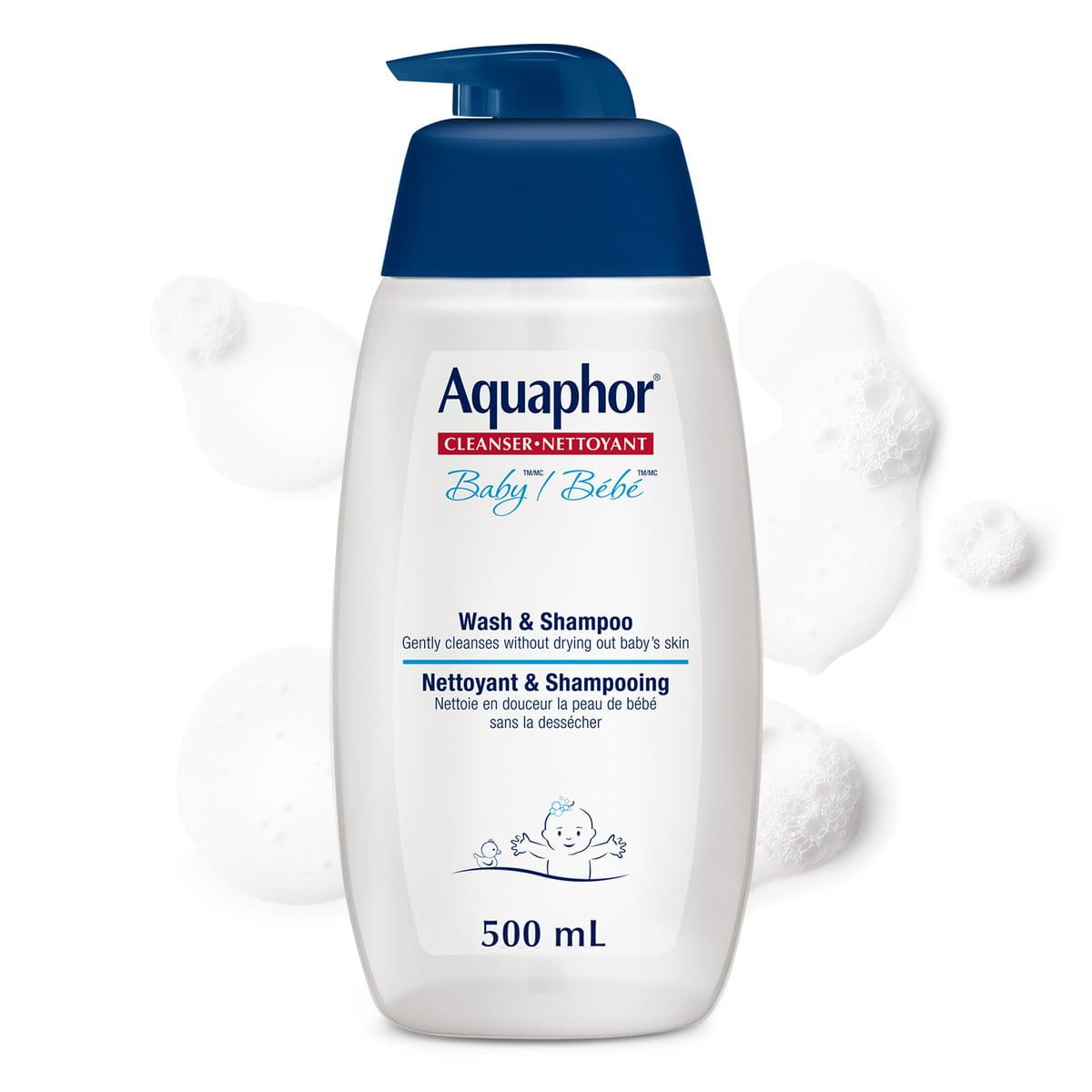
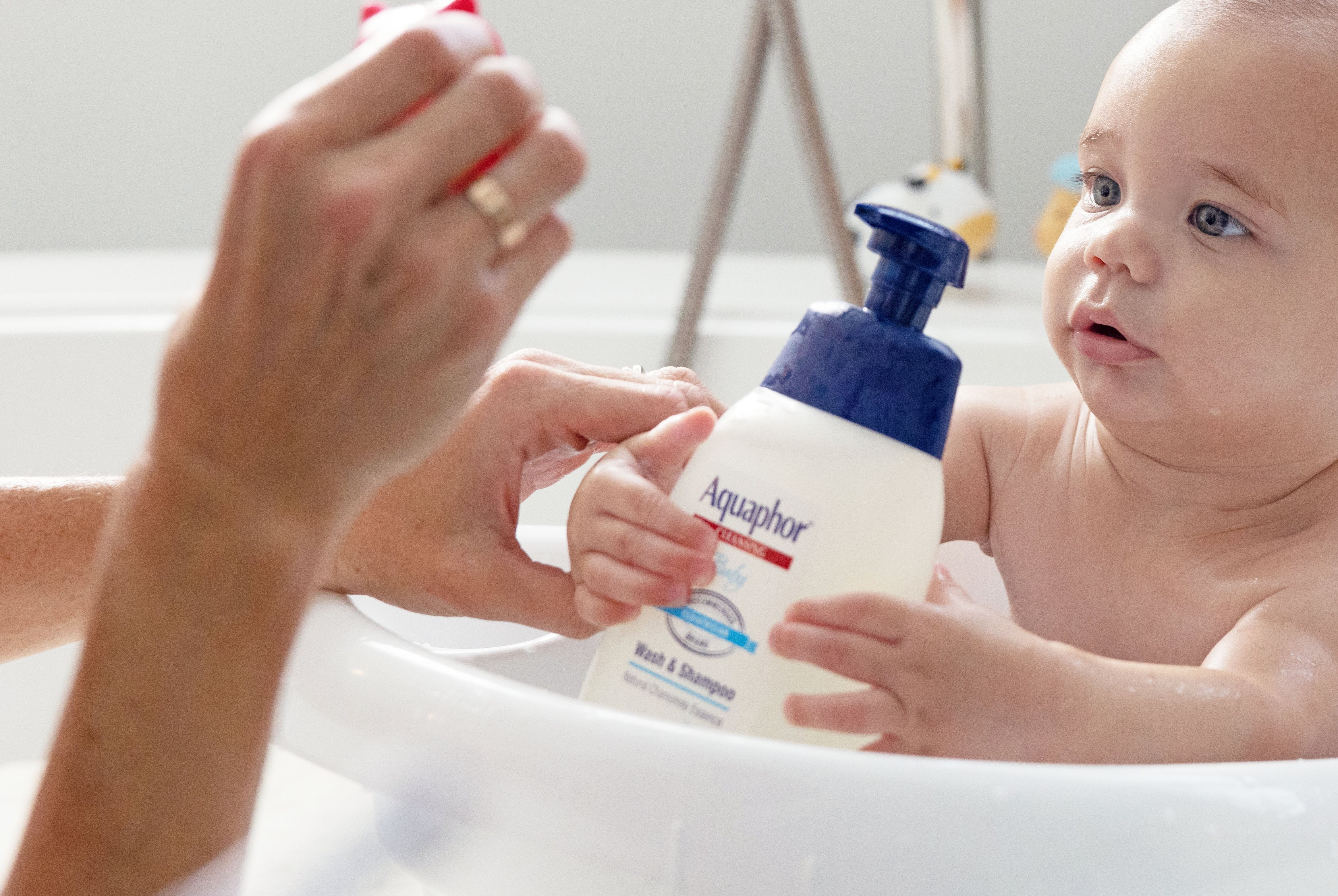
  • A gentle, fragrance-free baby cleanser such as Aquaphor® Baby Wash & Shampoo 
  • Changing supplies such as baby wipes and a fresh diaper, and any clothing you plan to change your baby into after their bath 

How to bathe a baby


  1. Gather the supplies listed above and find a flat surface in a warm environment to change your baby out of their clothes and diaper to prepare for the bath. 
  2. Fill the basin or sink with approximately 2 inches of lukewarm water. Test the water on your wrist to make sure it’s at a comfortable temperature. While you don’t want your baby to be cold, avoid using hot water and aim for a temperature of around 100 degrees Fahrenheit (38°C). 
  3. Place your baby in the water in the basin feet first by holding underneath your baby’s body with your dominant hand and supporting their head and neck in your other hand. Be sure to keep your eye on them at all times. To help keep them warm, you may want to periodically pour some of the water over their body. 
  4. Wash your baby by starting at their head to gently cleanse their scalp using the baby wash and rinse, taking care not to get any soapy water in their eyes. Wet the washcloth with plain water to wash your baby’s face, gently wiping from the inside to outside corners of their eyes. Continue to wash your baby’s body by gently applying the baby wash to their skin with the washcloth, being careful to clean creased areas as well as between their fingers and toes. Rinse each area that you wash as you go along. 
  5. Once you’ve washed and rinsed your baby’s skin, remove your baby from the basin and wrap them in a soft towel to get warm and dry. 
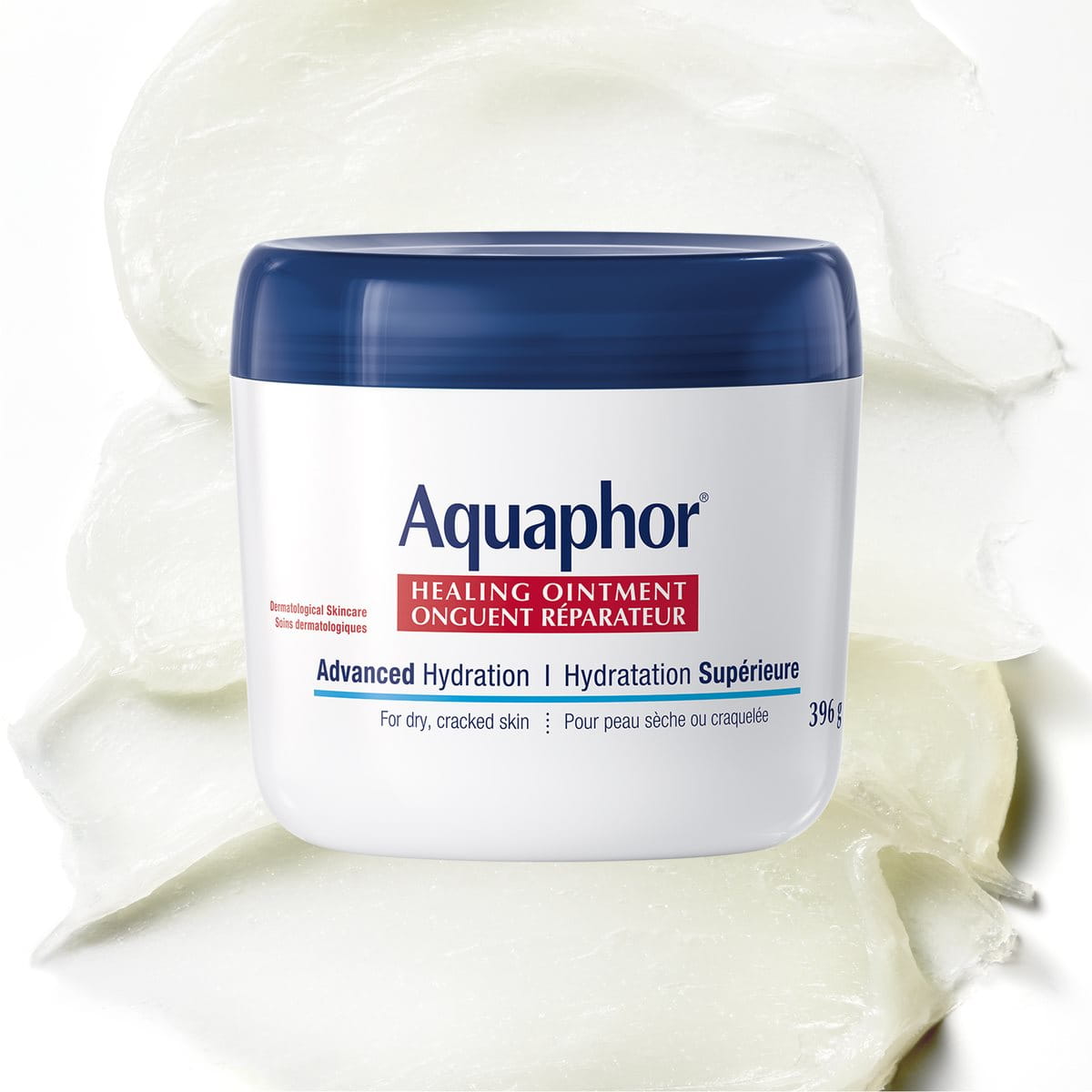
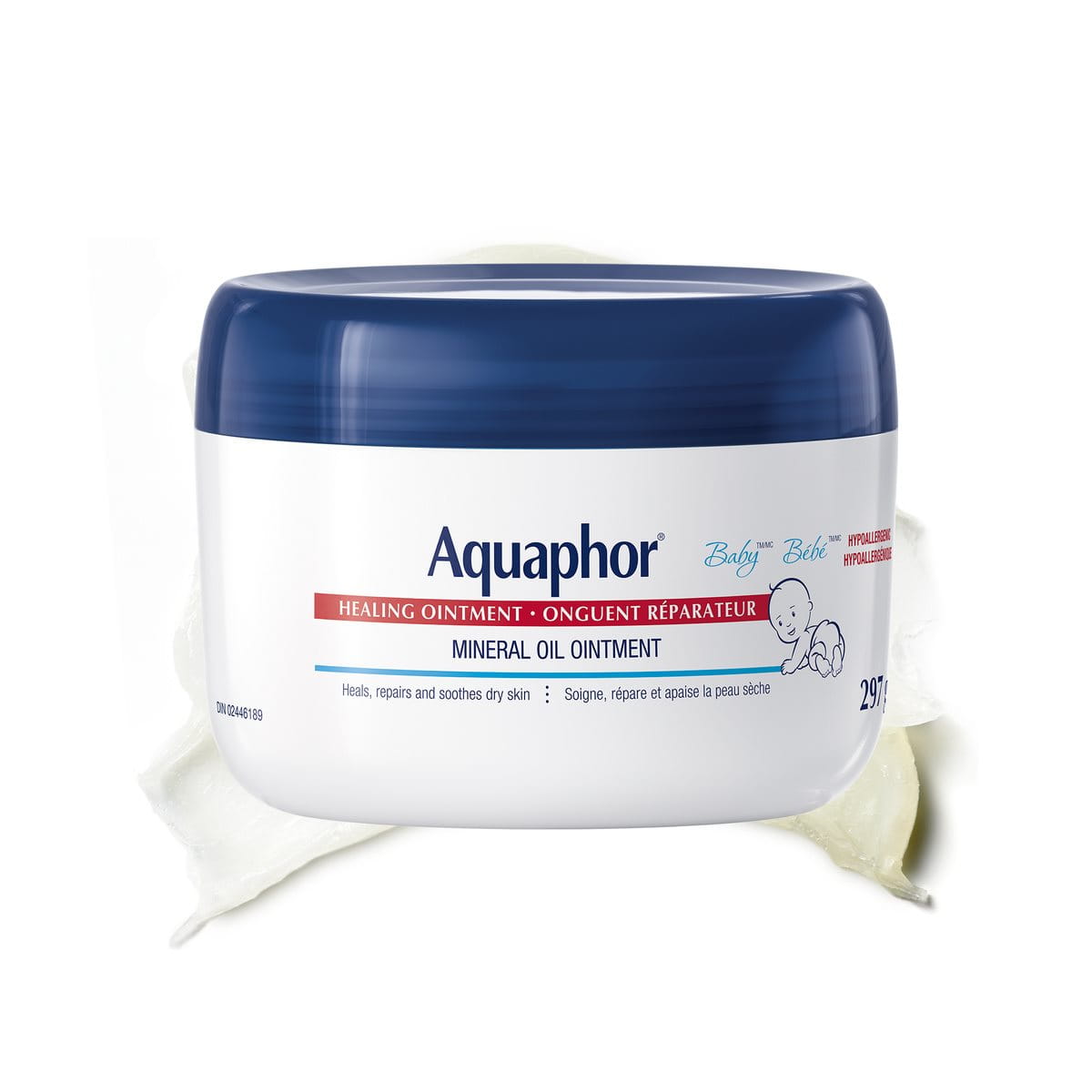
  6. To help keep your baby’s skin from getting dry, or if you notice areas of diaper rash or dryness, apply a moisturizing ointment such as Aquaphor® Baby Healing Ointment as needed. 
  7. Change your baby into a fresh diaper and clean clothes. 

What to avoid when bathing a baby

We’ve covered several of the Do’s of baby bathing. Here are some of the Don’ts to keep in mind during your baby’s bathtime:

  1. Don’t use hot water – keep water a lukewarm, comfortable temperature around 100 degrees Fahrenheit. 
  2. Don’t take a long time to bathe your baby – limit bathtime to 5-10 minutes 
  3. Don’t use harsh soaps – your baby’s skin is thinner and more sensitive than adult skin and can easily be irritated from soap or fragrances 
  4. Don’t leave your baby unattended in the bath – keep one hand on your baby at all times. If you need to attend to something away from your baby during the bath, take your baby with you. 
  5. Don’t fully submerge your baby in water – Fill the basin with approximately 2 inches of lukewarm water so that your baby is comfortable but not submerged. 
  6. Don’t scrub your baby’s skin – gently wipe your baby’s skin with a washcloth but avoid harsh scrubbing or rubbing 
  7. Don’t bathe your baby too often – limit baths to a few times a week at most. If your baby’s skin gets dry, you may wish to bathe less frequently and supplement with sponge bathing certain areas in between. 
  8. Don’t forget to rinse – be sure to fully rinse any suds off your baby’s skin before toweling off. 
  9. Don’t forget to apply a healing ointment afterward if your baby has any areas of dry skin or diaper rash.

Baby bathing FAQs

Bathing a baby can feel daunting. Here are some common questions and answers you’re likely to encounter when bathing your baby.

How often should I bathe my baby?

While we mentioned on average 3 times a week is generally advised, how often you bathe your baby will be unique to your baby’s needs. Some babies prone to dry skin may need less frequent baths, as bathing too frequently can dry out the skin. You may wish to bathe your baby once or twice a week with sponge bath touch-ups in between.

If you are concerned you’re bathing your baby too often and causing dryness, consult with your pediatrician for further guidance.

What temperature should a baby's bath be?

Aim for a bath temperature around 100 degrees Fahrenheit (38°C) for your baby. Generally, this means a lukewarm temperature that is comfortable for the inside of your wrist if you place your skin into the water.

You don’t want the water to be too cool and give your baby a chill, but water that is too hot can be drying and possibly burn your baby’s sensitive skin.

What kind of soap should I use to bathe my baby?

Alkaline soaps can be harsh on the skin and can cause dryness in babies. A liquid cleanser specially formulated for babies such as Aquaphor® Baby Wash & Shampoo is a more ideal option as its formula gently cleanses baby’s skin and hair without drying. Enriched with soothing Chamomile essence (Bisabolol) and Provitamin B5, it is specially designed for your baby’s sensitive skin.

Do I have to use a hooded towel when drying my baby after a bath?

It’s not essential, but can make it easier for you to keep your baby’s head warm and dry when taking them out of the bath.

How long should my baby be in the bath?

In order to help prevent your baby’s skin from becoming dry from excessive water exposure and to help ensure the temperature of the water doesn’t cool down too much, aim to have your baby’s bath take no more than 5-10 minutes.

Making baby bathtime a breeze with Aquaphor®

With Aquaphor® Baby, we have you covered during bathtime and beyond. Take the worry out of bathtime with Aquaphor® Baby Wash and Shampoo, knowing that you’re using a safe and gentle product on your baby’s sensitive skin that’s designed to cleanse without drying.

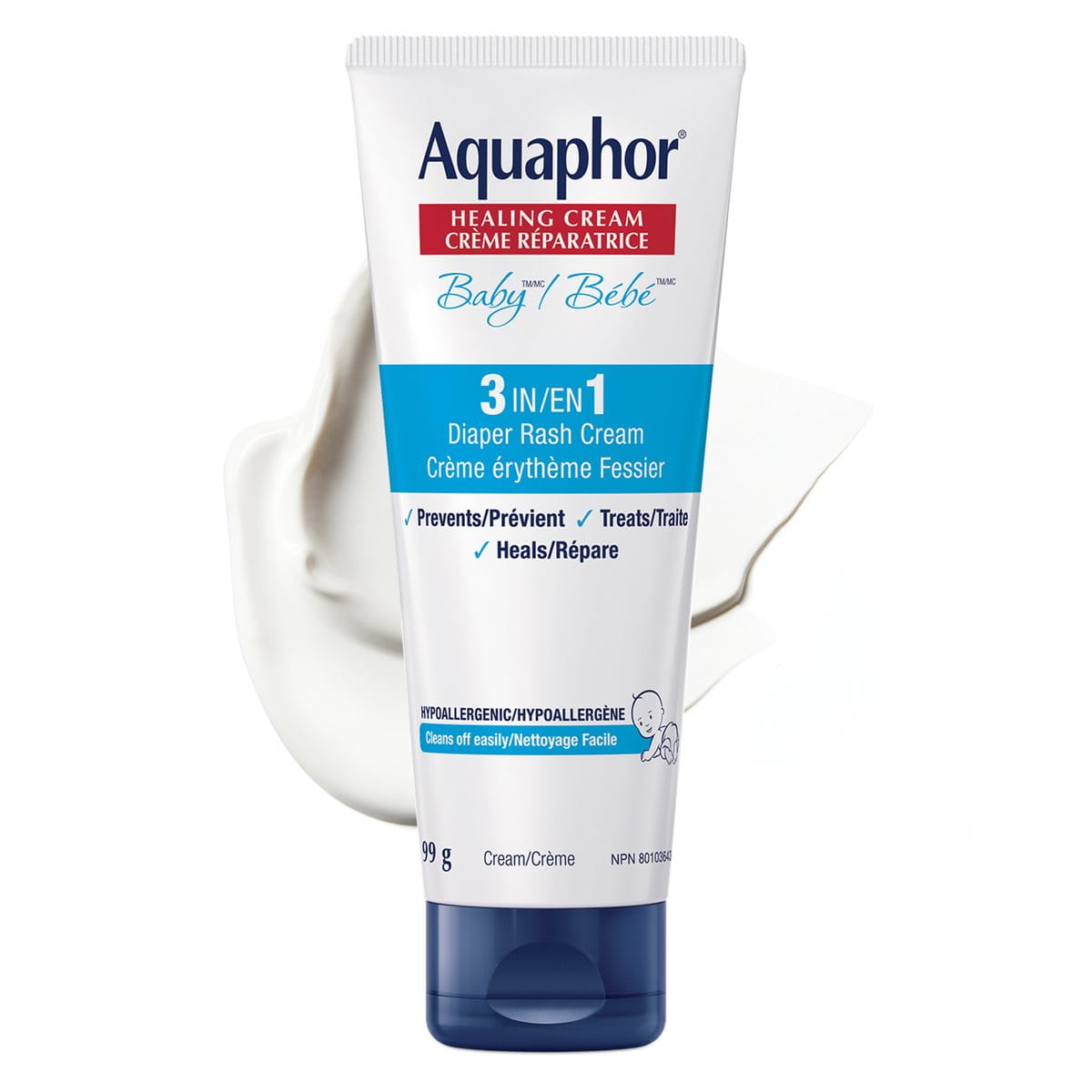
For chafing and dryness, Aquaphor® Baby Healing Ointment is here to help keep your baby’s skin nourished and soothed. In the case of diaper rash, Aquaphor® Baby 3 in 1 Diaper Rash Cream protects baby’s delicate skin, provides soothing relief, and effectively helps treat diaper ras

Explore Aquaphor® Baby Products

The information provided herein is not intended to be medical advice. Nor is it intended to treat the underlying skin disease or condition. The information is provided solely to:  

  1. Moisturize, soften and smooth dry skin  
  2. Improve the appearance of the skin  
  3. Achieve healthier-looking skin  

Related Articles